Nacon Revosim Racing Wheel First Look: Unboxing and Impressions
Introduction
The Nacon Revosim racing wheel arrives into a crowded market where sim-racing hardware ranges from accessible entry-level kits to high-end direct-drive systems. This first-look article unboxes the Revosim, examines what comes in the box, evaluates build quality and ergonomics, and assesses whether it addresses the needs of typical sim-racing buyers. It is written from an editorial perspective, focusing on real-world use cases such as casual sim racers setting up a small home rig, more committed enthusiasts looking for an upgrade path, and competitive drivers who prioritize force feedback fidelity and reliability.
Unboxing — What to Expect Out of the Box
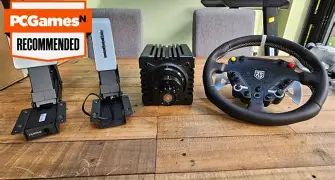
When unpacking new sim-racing hardware, buyers usually care about packaging quality, included accessories, and initial impression of build materials. The Revosim package is laid out to make setup straightforward. Typical inclusions to check for are:
- Mounted wheel rim or separate rim and quick-release adapter
- Pedal set (if bundled) or compatibility notes for third-party pedals
- Power supply, cables, and connection adapters for PC and console platforms
- Mounting hardware and clamp or bolt-through options
- Quick-start guide and software download instructions
Packaging that protects the wheel base, rim, and electronics during transit is an important early indicator of the manufacturer's attention to detail. The Revosim's packing typically isolates the sensitive components with foam inserts and labeled compartments, making the unboxing process orderly for first-time builders and experienced sim-racing enthusiasts alike.
Design and Build Quality
Build quality is one of the first tangible impressions for buyers. The Revosim tends to emphasize a balance between a robust base unit and a comfortable rim. Key design observations include:
- Wheel rim feel: The rim often uses a mixture of polyurethane, rubberized grip, or synthetic leather. A textured surface improves grip during longer sessions and provides tactile feedback for precise steering inputs.
- Base construction: The base casing should feel solid and not creak under clamping pressure. Metal components where the wheel meets the base add confidence in longevity.
- Controls and layout: Paddle shifters, rotary dials, and button clusters are positioned to be reachable without taking hands off the rim. The quality of these inputs—how tactile the buttons feel and how crisp the paddle action is—affects race performance and immersion.
- Pedals and accessories: If a pedal set is included, its materials (metal vs. plastic), adjustability, and travel range determine whether it suits casual players or more serious sim racers seeking fine brake modulation.
Attention to small details—such as rounded edges on the rim spokes, anti-slip pads for pedal bases, and reinforced cable strain relief—matters in daily usage and during long practice sessions.
Force Feedback and Performance
Force feedback (FFB) quality is central to any wheel review. Buyers commonly want clear, informative feedback without excessive vibration or noise. The Revosim positions itself in the market to deliver a satisfying mix of realism and accessibility. Important performance considerations include:
- Type of drive system: Whether the wheel uses belt drive, gear-driven mechanisms, or a hybrid approach affects smoothness, latency, and the presence of cogging. Belt-driven units generally provide smoother sensations, while gear systems are often louder and can introduce a stepped feeling.
- Detail and fidelity: The wheel should translate surface changes, curb impacts, and weight transfer in a way that helps the driver correct inputs quickly. Mid-range wheels aim to convey these cues without the raw torque of direct-drive systems.
- Adjustability: Software settings for strength, damping, and smoothing allow users to tailor the wheel to different cars, tracks, and personal preference. Having a decent range of tunable parameters increases the wheel's versatility.
- Noise and heat: Sustained sessions can stress motors and electronics; a quality design minimizes whining or grinding noises and manages thermal output with proper venting.
Real-world testing—multiple sessions across road, GT, and rally titles—reveals whether the wheel delivers consistent feedback and how well it scales between relaxed practice and competitive events.
Compatibility and Software
Platform and software compatibility are practical concerns for buyers. A wheel that supports multiple platforms widens its appeal. Considerations include:
- Platform support: Native support for PC is a given; console compatibility (PlayStation, Xbox) depends on licensing and firmware. Buyers should verify supported platforms before purchase.
- Driver and firmware updates: Access to regular firmware updates and a desktop utility for calibration and customization is valuable. The ability to save profiles for different vehicles or titles streamlines switching between games.
- Game support: Not all games expose the same FFB channels. The combination of wheel hardware and game integration affects how much control the driver has over sensations like tire slip, torque steer, and ABS feedback.
Well-documented setup guides and an intuitive software interface reduce initial friction and help newcomers get to track time faster.
Discover deals on Electronics — updated daily.
See Deals →Ergonomics and Everyday Use
Ergonomics determine comfort and usability over extended play. Factors that influence day-to-day satisfaction include:
- Wheel diameter and grip profile: A rim too large can be cumbersome for users with smaller rigs; too small may feel less authoritative. A diameter that balances precision and comfort works best for mixed-use scenarios.
- Paddle reach and travel: Crisp, well-spaced paddles make sequential upshifts and heel-toe maneuvers easier. Long, mushy paddles hinder precise timing.
- Mounting options: Compatibility with wheel stands, cockpits, and desk clamps is essential. Inclusion of both clamp and bolt-through hardware increases flexibility for different setups.
- Maintenance: Removable rims, washable grips, and replaceable paddle modules extend product life and make upgrades less invasive.
Pros & Cons
- Pros:
- Solid build quality with a comfortable rim and reachable controls
- Balanced force feedback designed for realism without overwhelming new users
- Good range of adjustability through software utilities
- Practical mounting options and thoughtful packaging
- Cons:
- Not a direct-drive solution — limited peak torque compared with high-end systems
- Potential platform limitations depending on console licensing
- Paddle or pedal quality may be entry-level compared with premium accessories
- Software ecosystem may still lag behind more established manufacturers in terms of integrations
Comparison: Revosim vs. Common Alternatives
A comparison table helps buyers identify how the Revosim stacks up against widely known options. This table highlights qualitative differences rather than raw specifications, focusing on what buyers care about in everyday use.
| Feature | Nacon Revosim | Logitech G923 (example) | Thrustmaster T300 (example) | Fanatec CSL / Entry (example) |
|---|---|---|---|---|
| Drive type | Hybrid / belt-optimized for smoothness | Gear with TrueForce / hybrid feel | Belt-driven, smooth | Belt or entry direct-drive options available |
| Force feedback fidelity | Good mid-range detail | Good, game-dependent | Very smooth with good detail | High fidelity for price tier |
| Build & ergonomics | Comfort-oriented rim, solid base | User-friendly, automotive-style rim | Robust, versatile rims | Premium materials on higher models |
| Platform compatibility | PC and some console support (verify model) | PC / PS / Xbox variants | PC / PS (Xbox via variants) | PC, PS/Xbox compatibility varies by model |
| Upgrade path | Moderate — wheel rims and pedals upgradeable | Limited — ecosystem more closed | Good — many compatible rims and pedals | Excellent — tiered ecosystem with high-end upgrades |
| Typical buyer | Casual to aspiring enthusiast | Casual / mainstream users | Enthusiasts seeking smooth FFB | Serious sim racers and tinkerers |
Real-World Use Cases
Considering common buyers clarifies how the Revosim performs across scenarios:
Home Sim-Racing Enthusiast
For users building a compact cockpit in a bedroom or living room, the Revosim balances size and performance. Its mounting flexibility allows attachment to desks and smaller stands without needing a dedicated cockpit. The wheel’s comfort-oriented rim and tunable feedback make sessions pleasant for multi-hour practice without excessive noise or vibration.
Weekend Competitor
Drivers who enter local online leagues want a wheel that can communicate traction limits and curb interaction. The Revosim can provide the necessary cues if tuned correctly within a game's FFB options. The ability to create profiles for different cars reduces setup time before events.
Starter Streamer / Content Creator
Content creators who stream races need reliable hardware that looks and feels professional. The Revosim’s clean design and reachable controls help maintain on-camera ergonomics; however, creators should consider upgrading pedals or rims over time to match production values.
Buying Guide: What to Consider Before Purchasing
Sim-racing hardware purchases are long-term investments. This guide covers practical decision points to help buyers determine if the Revosim is right for them.
1. Budget and Upgrade Path
Define an initial budget that includes a wheel, pedals, and potential future purchases (e.g., shifter, handbrake, upgraded pedals). The Revosim is best suited for those seeking a middle ground: better than entry-level kits but without the expense of high-torque direct-drive systems. Consider whether the manufacturer supports modular upgrades to extend the product's lifespan.
2. Platform and Game Compatibility
Verify platform compatibility. Console users should confirm model support for PlayStation or Xbox, and PC users should check driver availability and community feedback for specific simulation titles. Some games expose more detailed FFB channels than others — pairing the wheel with titles that support granular FFB will improve the experience.
Shop the latest Electronics picks on Amazon.
Browse Now →3. Force Feedback Expectations
Decide how important raw torque is. If chasing the most precise steering sensations and ultimate realism, a direct-drive wheel—albeit at a higher price—might be preferable. If the goal is a realistic yet accessible experience for a range of titles, a well-tuned belt or hybrid wheel like the Revosim can offer excellent value.
4. Pedal Quality and Feel
Pedals contribute significantly to lap consistency. Buyers should evaluate whether the bundled pedal set meets their braking modulation needs or if an aftermarket upgrade is anticipated. Metal, load-cell brake pedals deliver improved feel for drivers refining threshold braking techniques.
5. Mounting and Space
Measure available space and consider whether the wheel can be clamped to a desk versus a bolt-through mount on a dedicated cockpit. Stability matters: a wobbling wheel undermines the benefits of good FFB fidelity.
6. Software Usability
Install the wheel's software and explore configuration options. Simple interfaces with profile saves, preset banks, and community-shared profiles make setup less intimidating. Check for firmware update procedures and support channels in case issues arise.
Setup Tips and First-Time Calibration
To get the most from the Revosim out of the box, follow these general steps:
- Mount the wheel securely using the provided hardware and ensure no flex under steering loads.
- Install the official drivers and firmware updates on PC before plugging into games.
- Calibrate wheel rotation limits according to the targeted sim title (e.g., 540° for many rally cars, up to 900° for road cars).
- Create separate software profiles for different games or car classes and save them to quick-access slots if available.
- Fine-tune FFB effects in-game: reduce or increase smoothing and strength rather than maxing out force to avoid clipping or motor strain.
Maintenance and Longevity
All sim wheels benefit from periodic maintenance to extend service life. Buyers should consider these practices:
- Keep the wheel and pedals clean from dust and sweat; wipe grips with a damp cloth and avoid harsh cleaners.
- Inspect paddle mounts and screws for loosening after prolonged use; torque to manufacturer recommendations.
- Update firmware when available to address compatibility and performance improvements.
- Consider third-party replacement parts if a specific component wears out; modular designs are easier to service.
Conclusion
The Nacon Revosim racing wheel presents a compelling option for sim racers who want a thoughtful balance of build quality, useful force feedback, and practical ergonomics without stepping into the highest price points of the market. It fits well into real-world use cases such as home sim rigs, competitive weekend racing, and streaming setups. Buyers should weigh platform compatibility, the desired level of force feedback detail, and upgrade plans for pedals or rims when making a decision. For those seeking an accessible path into more immersive sim-racing, the Revosim offers the kind of features and adjustability that make it a solid contender in the mid-range segment.