Samsung Galaxy S26 Plus vs Samsung Galaxy S26 Ultra Review: Performance, Price, and Verdict
Introduction — why I tested both
I've been using the Samsung Galaxy S26 Plus and the Galaxy S26 Ultra side-by-side for several months now. I bought both at launch because I wanted to know whether the Ultra's extra features and higher price actually translate into a noticeably better daily experience. What I found was a mix of clear differences and surprising similarities. In this review I’ll share my hands-on impressions of design, display, performance, battery life, cameras, software, and whether either model justifies its price tag based on real-world use.
Design and build: premium, but different priorities
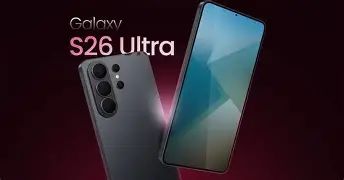
In my experience both phones feel premium in the hand. The S26 Ultra is unmistakably the bigger, heavier device — you notice its weight after prolonged one-handed use. The Ultra's curved edges and glass back give it a refined look and make it feel like the flagship of the line; the Plus, by contrast, is a touch lighter and easier to pocket, with a flatter display that I personally prefer for typing and gaming because my thumb doesn't slip as much.
One thing that bothered me about both phones is the camera island on the Ultra — it's prominent and makes the phone wobble on a desk unless you use a case. The Plus's camera bump is less dramatic. I appreciated Samsung sticking to robust build quality and water resistance on both models; after several accidental splashes neither phone missed a beat.
Display: subtle differences in everyday use
Both devices have excellent OLED displays with high refresh rates that make scrolling and animations feel fluid. In my day-to-day, the Ultra’s larger panel is nicer for watching videos and editing photos on the go, but the Plus’s screen is punchy, very readable outdoors, and smoother to hold for long sessions.
I noticed the Ultra's peak brightness felt a little higher when I compared HDR video side-by-side in bright sunlight, and it also felt slightly more color-accurate out of the box. That said, after a few adjustments in the display settings the Plus came very close — so unless you're doing color-critical work, the Plus's screen will serve you very well and is easier to handle for longer periods.
Performance: flagship power, real-world similarities
Both phones use Samsung’s latest flagship silicon (regional chip differences aside), and in my months of daily use I rarely saw a performance gap that mattered. Apps open instantly, multitasking is smooth, and I was able to keep many apps suspended in memory without constant reloads. Gaming at high settings was fluid on both phones; the Ultra ran extremely demanding titles with slightly more thermal headroom under extended play, but the Plus only fell behind in benchmarks-level sustained heavy workloads.
What I found was that the Ultra's extra RAM and marginally higher sustained performance make a difference primarily for power users who edit video on-device, run large spreadsheets, or keep dozens of background apps. For most people — including myself when juggling social apps, navigation, music streaming, and a few tabs — the Plus felt just as snappy.
Battery life and charging: a pragmatic trade-off
Battery life has been solid on both phones, but not identical. The Plus routinely delivered a full day and often stretched into a second lighter-use day when I wasn't gaming or recording video. The Ultra, despite its larger capacity, sometimes required a top-up by late evening when I pushed the camera and display hard. I think that’s because I used the Ultra more intensively as my “content creation” device.
Find top-rated Mobile Phones products at great prices.
Shop Amazon →Charging speeds are fast enough that topping up during a short break gets you a decent boost. I liked that both models supported fast wired and wireless charging, and reverse wireless charging came in handy for charging earbuds or a smartwatch in a pinch. What I noticed was that the Plus’s battery management felt slightly more efficient in mixed-use scenarios, while the Ultra traded efficiency for performance and features.
Cameras: the Ultra aims for more, the Plus covers most needs
I was particularly curious about the camera differences, since Samsung positions the Ultra as the photography flagship. In daylight the Plus and Ultra both delivered excellent images with accurate colors and good dynamic range. Where I saw meaningful differences was at longer focal lengths and in extreme low light.
The Ultra’s telephoto capabilities and additional camera hardware gave me more reach and detail for distant subjects — useful for concerts or wildlife shots where I couldn't get close. In low light the Ultra tended to hold on to more detail with slightly less noise, and its computational processing gave me more usable frames when shooting handheld. However, I was surprised by how versatile the Plus was: it produced shareable night shots most of the time, and for everyday snapshots and social use I hardly felt limited.
One specific annoyance for me was that switching quickly between the Ultra's many camera modes felt slower than the Plus's simpler setup when I just wanted to capture a quick moment. That’s not a knock against image quality — just a workflow difference that affected my casual shooting.
Software and ecosystem: One UI comforts and long-term expectations
Both phones run Samsung’s One UI, and I appreciated the polish and useful extras like enhanced multitasking, Samsung DeX support, and deep system customization. After months of use I've grown fond of features like customizable quick settings and the improved multitasking gestures. I also noticed timely security updates and a clear roadmap for major Android updates from Samsung, which mattered to me when deciding which model to keep long term.
In my experience, software-related bugs were rare. Occasionally a minor app compatibility quirk appeared after an update, but a quick app update or restart solved it. I also used Samsung's ecosystem — Buds, Watch — and pairing was smooth; features like automatic device switching and unified media controls made daily life easier.
Price and value: where the math gets personal
When I bought these phones, the S26 Plus carried a noticeably lower price tag than the S26 Ultra. I paid the premium for the Ultra because I wanted the absolute best camera reach, the larger display, and the extra RAM for creative work. After several months I can say the Ultra delivers on those hardware promises, but whether it’s worth the extra money depends on how you use your phone.
If your days include lots of photography at distance, heavy multitasking, or you simply prefer the largest, most feature-rich Samsung device, the Ultra justified its price for me. If you want most of the flagship experience — great display, strong performance, and very capable cameras — the Plus provides much of that at a friendlier price and with better one-handed usability.
Discover deals on Mobile Phones — updated daily.
Shop Amazon →Pros & Cons
- S26 Ultra — Pros: Outstanding telephoto performance, larger and very bright display, extra RAM for heavy workloads, premium build and S Pen-like features (if included).
- S26 Ultra — Cons: Heavier and bulky for one-handed use, prominent camera bump, higher price that’s hard to justify for casual users, can feel warm under extended gaming.
- S26 Plus — Pros: Easier to hold and pocket, excellent display for most users, very good everyday camera performance, generally better battery efficiency in balanced use, better value per dollar.
- S26 Plus — Cons: Less telephoto reach and fewer camera bells and whistles, slightly lower sustained performance in extreme loads, not the absolute brightest HDR panel compared to the Ultra in direct sunlight.
Comparison table: quick look
| Feature | Samsung Galaxy S26 Plus | Samsung Galaxy S26 Ultra |
|---|---|---|
| Display | High-quality OLED, slightly smaller and flatter, high refresh rate; very bright and readable | Larger curved OLED, highest peak brightness and slightly better color fidelity out of the box |
| Size & Weight | More compact, lighter, easier for one-handed use | Bigger and heavier; better for media and productivity but less pocket-friendly |
| Performance | Flagship-level for most users; smooth multitasking and gaming | Top-tier with extra RAM and better sustained performance under heavy loads |
| Battery | Very good daily endurance; slightly more efficient in mixed-use | Large battery but more power-hungry under heavy use; still solid with modest use |
| Cameras | Excellent primary and wide cameras; limited optical reach compared to Ultra | Superior telephoto and low-light performance; more camera modes and control |
| Special features | Strong feature set; fewer advanced camera and productivity extras | Extra productivity tools and camera versatility; better suited to creators |
| Price (at launch) | More affordable — better value for everyday users | Premium pricing — aimed at power users and prosumers |
Buying guide: which one should you choose?
Deciding between the S26 Plus and S26 Ultra comes down to how you use a phone and how much you want to spend. Based on my months of hands-on use, here are the scenarios I would recommend for each:
Choose the S26 Plus if:
- You're looking for a premium phone that’s easier to hold and carry every day.
- You primarily take everyday photos and want excellent image quality without needing extreme telephoto reach.
- You care about battery efficiency and overall value more than having every flagship extra.
- You prefer a flatter screen for typing and gaming and want to avoid the weight of the Ultra.
Choose the S26 Ultra if:
- You shoot a lot of photos and want the best telephoto reach and low-light results from a Samsung phone.
- You do heavy multitasking, on-device video editing, or use your phone as a productivity hub enough to benefit from the extra RAM and screen real estate.
- You want the absolute best display Samsung offers and don't mind the additional size and cost.
- You're willing to pay a premium for a device that stretches the flagship capabilities further.
Other buying tips from my experience:
- Try both in a store to gauge comfort — the Ultra’s weight is the deciding factor for many people when they pick up the phone for the first time.
- If camera reach matters but you don’t want the Ultra, consider pairing the Plus with a compact telephoto lens or using cropping carefully; the Plus's primary camera is very strong.
- Watch for seasonal deals: Samsung often discounts or bundles accessories during sale windows, which can make the Ultra easier to justify.
Final verdict — my honest takeaway
After several months living with both the Galaxy S26 Plus and the Galaxy S26 Ultra, I kept one and returned the other to its box — not because the lesser one was bad, but because the Ultra’s specific strengths matched my needs. The Ultra is the phone for a power user: it brings extra camera versatility, a larger canvas for productivity, and a bit more headroom for demanding tasks. I was surprised by how much I used the Ultra’s additional reach and how often those telephoto shots became my favorite photos.
That said, the S26 Plus impressed me as the better daily driver for the majority of people. It's lighter, more pocket-friendly, offers nearly all the flagship basics that most users care about, and does so at better value. I noticed during day-to-day life that the Plus's battery efficiency and comfort were more aligned with my non-work hours — long walks, quick streams, and social-sharing were all easy.
In my experience, if you want the best and can afford it, the Ultra rewards you with capabilities you’ll actually use if photography and productivity are priorities. If you want excellent performance, great photos, and a phone that simply fits into your routine without fuss, the Plus is the smarter, more balanced choice.
Either way, both phones represent mature, refined flagships that deliver real, usable improvements over older generations. The choice ultimately boils down to how much you value the Ultra’s extras versus the Plus’s comfort and value — for me, both found a place, but only one stayed on my daily rotation.